2026-10-19 ·
Mold in Channelview Rental Properties After Tenants Move
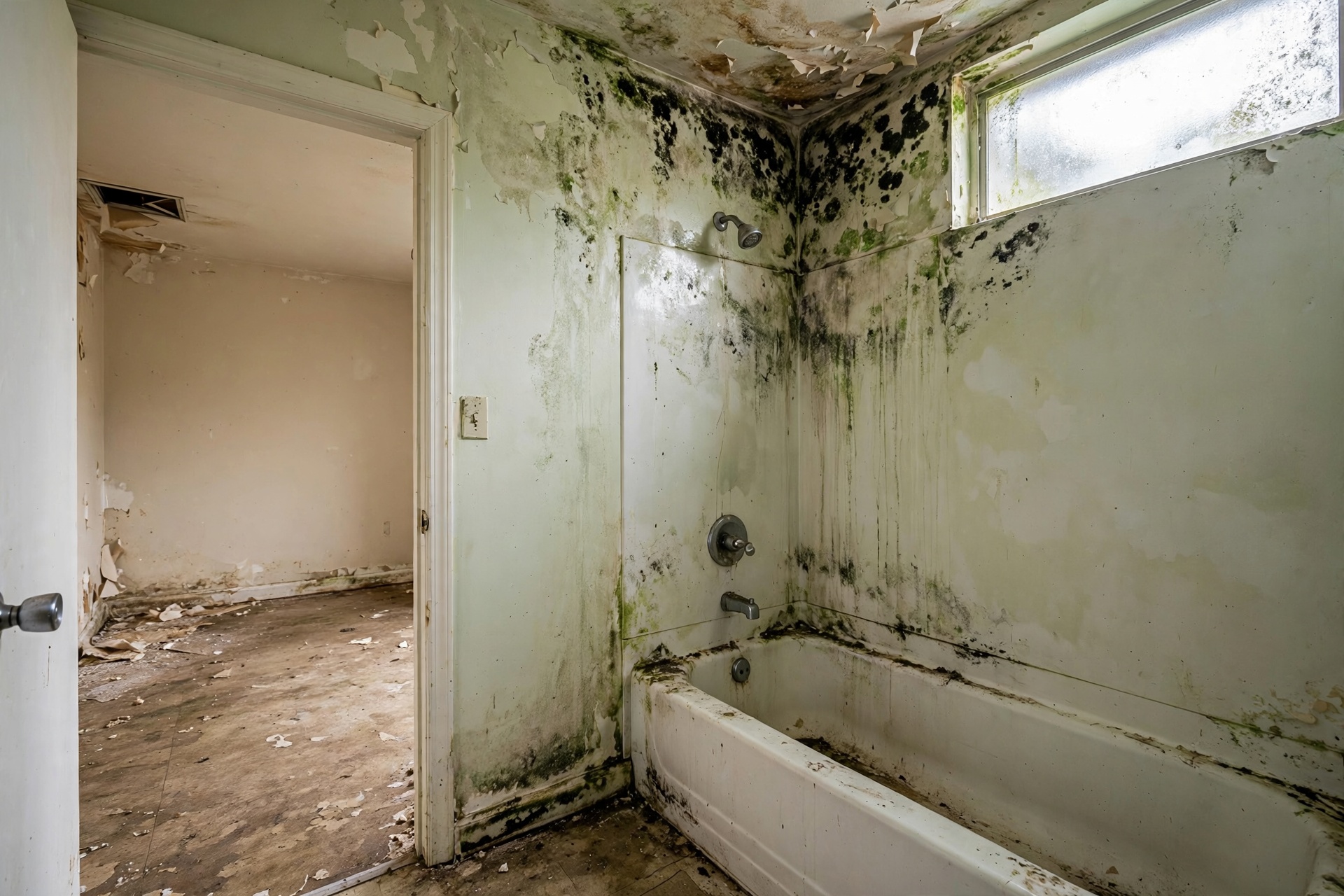
Mold growth in Channelview rental properties commonly becomes visible 10 to 21 days after tenants vacate when hidden moisture from prior leaks or poor ventilation is left unchecked. Homes in neighborhoods like Cloverleaf and along the Sheldon Corridor often feature single-story frame construction from the 1970s through 1990s with limited insulation, allowing humid air from the San Jacinto River to penetrate during hot summers.
Why Channelview Rentals Develop Mold After Move-Outs
Channelview sits in Harris County where hot humid summers push indoor relative humidity above 70 percent for weeks at a time, especially in properties near Channelview Park or the river basin. Many rental units in the Sheldon Corridor and Cloverleaf use older HVAC systems that cycle off during vacancy, letting condensation form on ducts and drywall. Mild winters reduce visible leaks but do not dry out crawl spaces or attics fully, so residual water from tenant showers or roof seepage stays trapped. Hurricane season adds sudden flooding risks that saturate slab edges and baseboards before owners inspect. These conditions turn small undetected issues into visible colonies within two weeks of vacancy, particularly in bathrooms and closets that lack airflow once furniture is removed.
Inspection Priorities for Vacant Channelview Properties
Landlords should focus first on bathrooms and closets where tenant-installed curtains or stored items previously blocked air movement. Check under sinks for slow drips that pooled on particleboard cabinets common in local rentals built before 1995. Examine HVAC returns and supply vents for dark streaks, since ductwork in these homes often runs through unconditioned attics that reach 90-plus degrees. Walk the crawl space if the home sits on pier-and-beam foundations typical along the San Jacinto River, looking for standing water or musty odors that indicate soil moisture wicking upward. Document any drywall softening near windows facing prevailing winds, as these spots collect rain during Gulf storms that pass through Baytown and La Porte.
Remediation Steps Tailored to Channelview Rentals
Begin by isolating affected rooms with plastic sheeting to prevent spores from spreading to clean areas during removal. Remove and dispose of porous materials like carpet padding or ceiling tiles that absorbed water, then clean non-porous surfaces with HEPA vacuums followed by antimicrobial solutions. For homes in the Sterling Green or Old River Terrace areas, address moisture sources such as leaking window seals before reinstalling drywall. Mold remediation crews familiar with Harris County properties often install temporary dehumidifiers set to 45 percent to pull residual moisture from framing. Follow up with post-water-damage mold remediation protocols when previous tenant overflows are suspected. Test air quality after work completes to confirm spore counts match outdoor levels before showing the unit.
Preventing Mold Between Tenants
Install battery-powered humidity monitors in each rental and set alerts above 55 percent so owners can respond before colonies form. Schedule HVAC filter changes and duct inspections every six months, especially for properties near the river where pollen and moisture load increase. Encourage new tenants to run exhaust fans for 20 minutes after showers and to report drips immediately. In older Channelview stock, adding ridge vents or powered attic fans reduces summer heat buildup that drives condensation. Review post-hurricane mold checks for Channelview residents after any named storm passes through the area. Testing air quality after mold removal in Channelview provides baseline data for future vacancies and helps document conditions for insurance or new lease agreements.