2026-10-19 ·
Winter Mold Issues in Channelview Homes With Poor Insulation
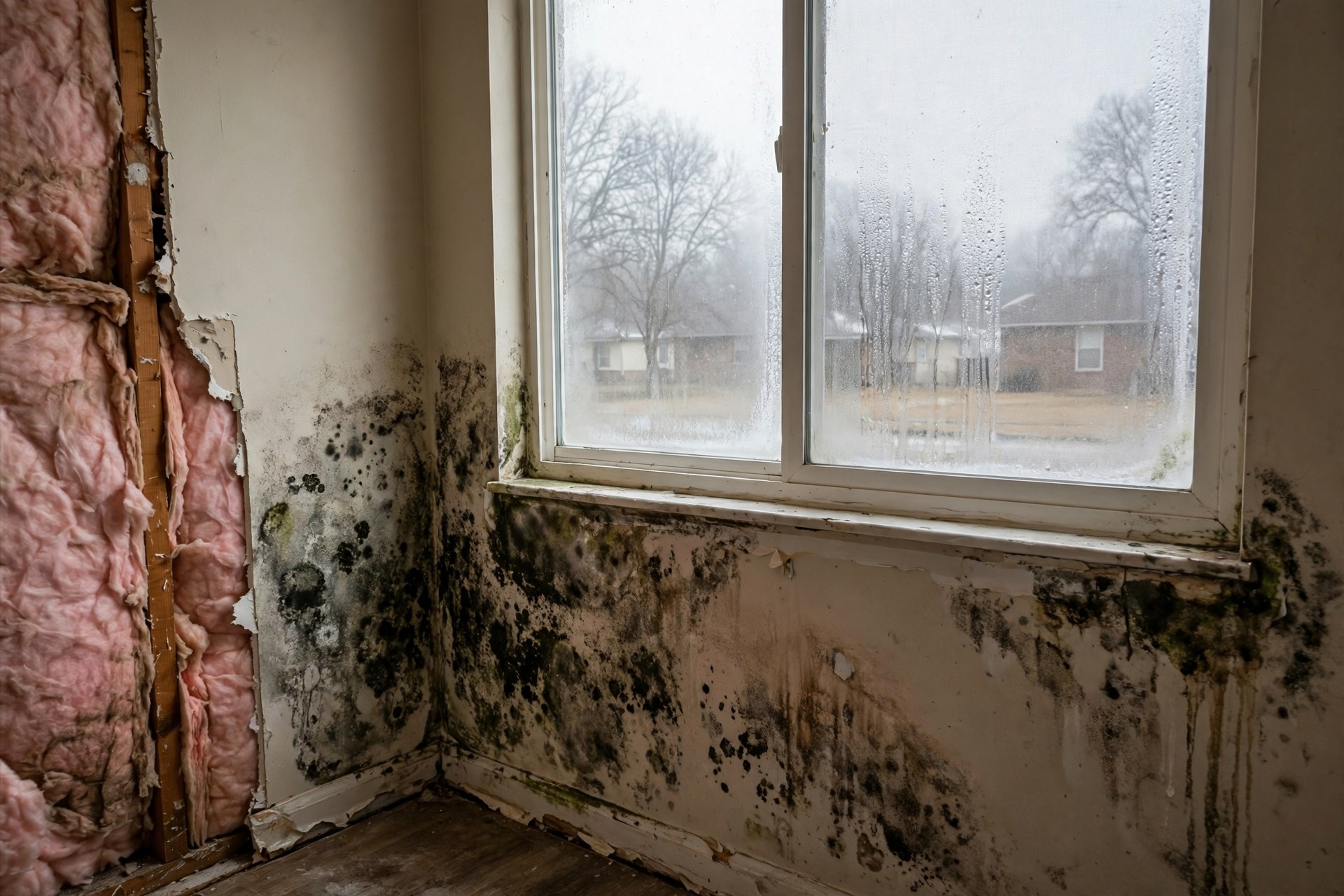
Channelview homes with poor insulation often develop winter mold through condensation on cold surfaces when indoor heat meets cooler exterior walls, particularly in attics and exterior framing exposed to the area's mild winter temperatures and lingering humidity from the San Jacinto River.
Condensation Patterns in Local Housing Stock
Channelview and Cloverleaf contain many homes built before modern insulation standards, with single-pane windows and thin wall cavities that allow rapid heat loss. When temperatures drop even modestly in Harris County, warm indoor air hits these cold surfaces and forms moisture films that feed mold colonies within days. The San Jacinto River basin adds extra ambient moisture that infiltrates crawl spaces and attics, accelerating the process compared to drier inland parts of Houston. Homeowners notice dark spots along ceiling joists and baseboards first because those areas trap the vapor longest. Checking insulation depth and vapor barriers during the cooler months reveals gaps that summer humidity alone does not expose.
Why Attics and Walls Are Vulnerable Near the River
Attics in Channelview homes lose heat fastest through poorly sealed roof decks, creating temperature differentials that pull moisture upward from living spaces. The same pattern appears in exterior walls facing prevailing winds off the river, where siding and sheathing cool quicker than interior drywall. Attic mold remediation addresses these hidden colonies before they spread into HVAC systems. Residents in Sheldon Corridor and Old River Terrace report similar wall-cavity growth after mild cold fronts because original batt insulation has settled or become compressed over time. Regular inspection of these zones prevents small condensation patches from becoming widespread drywall damage.
Seasonal Timing and Local Weather Triggers
Mild winters in Channelview still produce enough overnight temperature swings to trigger condensation when daytime highs reach the 60s and nights fall into the 40s. Hurricane remnants from the Gulf increase overall moisture load in the air, so even brief cold snaps leave residual humidity inside wall cavities. How Humidity Levels in Channelview Trigger Mold explains the year-round baseline that winter simply concentrates on cold surfaces. Post-hurricane checks become especially important because roof leaks or wind-driven rain can wet insulation that then molds once cooler weather arrives. Post-Hurricane Mold Checks for Channelview Residents outlines the sequence many local homeowners follow after storm season.
Practical Steps for Channelview Homeowners
Start by measuring attic insulation depth and looking for dark staining along rafters and top plates. Seal obvious air leaks around recessed lights and plumbing penetrations before adding insulation to reduce the temperature differential that drives condensation. In crawl spaces common to older Cloverleaf homes, ensure ground vapor barriers remain intact so soil moisture does not rise into floor joists during cooler periods. When growth appears, targeted removal combined with moisture control keeps the problem from recurring in the same locations. Mold remediation in these specific assemblies restores air quality without requiring full-home disruption.